Top Secrets to Sourcing from a High-End Curtain Factory: A Guide for Wholesale Buyers
What to actually check before committing to a curtain factory as a wholesale partner: fabric range, manufacturing scale, MOQ, sampling, and export experience.
Sourcing curtains at wholesale volume is a very different exercise from buying a few panels for a single project. When you're placing container-level orders, small differences in fabric quality, lead time, or communication can turn into large costs down the line. Here's what actually matters when evaluating a curtain factory as a long-term wholesale partner.
1. Fabric Range and Material Consistency
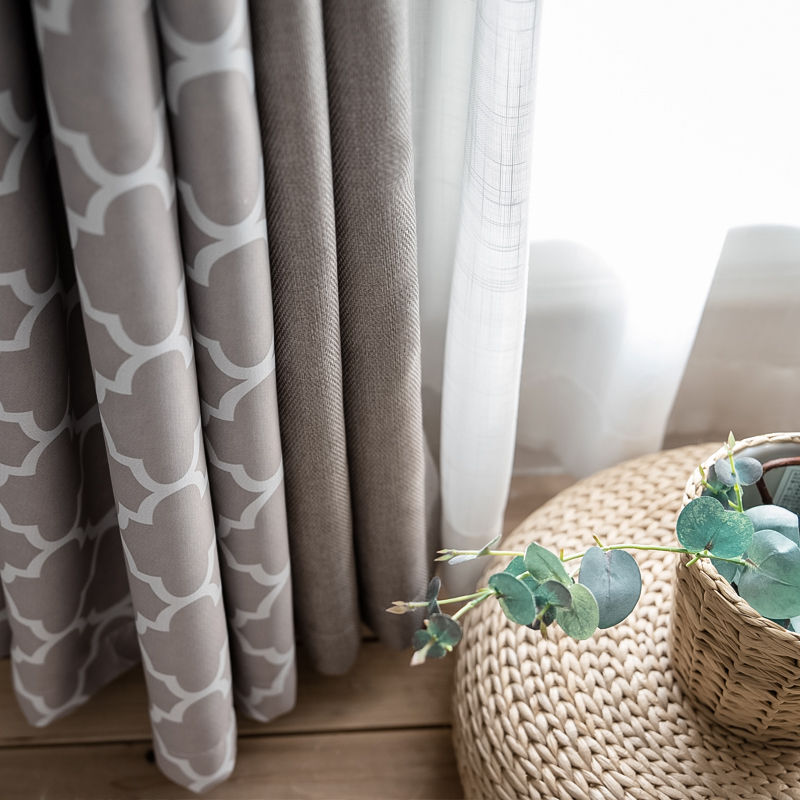
A factory that only offers one or two fabric types limits what you can sell. Look for a supplier that can cover the range your market actually needs — blackout, semi-blackout, sheer voile, jacquard, printed, and embroidered fabrics — under one roof. Just as important as variety is consistency: ask for swatches from more than one production batch and compare them. Color and weight drift between batches is one of the most common (and most avoidable) sources of buyer complaints.
2. Manufacturing Scale and Lead Time
Ask directly about production capacity and how it's allocated. A factory that quotes a fast lead time for a small sample order but can't explain how it scales to a full container is worth double-checking. Reasonable questions to ask: What's the realistic lead time for your typical order size? How does that change during peak season? What happens if a batch fails quality inspection — is there a rework process, or do you lose the slot?
3. MOQ and Customization
Minimum order quantities vary a lot between factories, and so does flexibility on customization — private label packaging, custom sizing, or OEM/ODM development. If you're testing a new market or a new pattern, a lower MOQ per design lets you diversify your offer without over-committing capital to a single SKU.
4. Sampling Process
Always request a physical sample before committing to a bulk order — photos and product pages can't tell you how a fabric drapes, how heavy it feels, or how accurately the color reproduces under real light. A factory that's willing to ship samples quickly and answer specific questions about them (fabric weight, light-blocking percentage, wash care) is signaling that it's used to working with serious wholesale buyers.
5. Export Experience and Communication
Working directly with a factory instead of a trading company usually means better pricing and more control over specifications, but only if the factory itself has real export experience — clear documentation, reliable shipping partners, and a team that can communicate specifications accurately in your language. Ask about past shipping destinations and typical container configurations for your product category.
Why Direct Factory Sourcing Makes Sense for Wholesale Buyers
Cutting out the middleman isn't just about price. Direct sourcing gives you a shorter feedback loop for customization requests, more transparency on production timelines, and a single point of contact if something needs to change mid-order. Borige is a curtain factory based in China, supplying both curtain fabric by the meter and ready-made curtains — blackout, semi-blackout, sheer, jacquard, printed, and embroidered collections — to wholesalers, distributors, retailers, and project buyers worldwide.
Leave a Comment
No comments yet. Be the first to comment!